


For Texas home health agencies
Care beyondthe home visit.
Help your nurses review patient readings, identify changes and coordinate follow-up. Automate the paperwork that supports Texas Medicaid RPM.
27+
years in healthcare IT
10+
years in Medicaid home health
20 min
demo using sample records
Trusted by Texas agencies



- HL7 / FHIR integration
- EMR + RPM integration
- HIPAA safeguards and supporting records
The platform
Patient monitoring, follow-up and billing on one screen
RemoteCares organizes readings, authorizations, and follow-up records throughout the month, making claim review easier for your team.
Home
Dashboard
24
24 of 30 days · U8 modifier
32
4 awaiting provider review
926
61
12 unassigned in inventory
48
6 enrolled this month
Goals on track
68%
Across all active care plans
Top conditions
Due this week
Payers
Claims (15)Submissions (0)
In flight 15
ReadingsTo-dosNotificationsNo readings
Remote Patient Monitoring (Medicaid)APCMDevicesThresholdsBilling cycles
Patient program authorizations
EnrollmentActive
Enrollment date12/09/2025
ConsentReceived
Consent methodVerbal
Medicaid coveragePrimary coverage
Current authorization (V2)
Period Jun 22, 2026 — Dec 18, 2026 · 180 days
3 / 6
- Authorization createdVersion 2
- Thresholds configuredcarried over
- DON signed06/08/2026
- Authorization PDF
- Provider signed
- Submitted to TMHP
- TMHP approved
- Device assignedcarried over
- Activatedcarried over
Blood pressure
91/45mmHg
Critical
Sys <70 · 90–150 · >180
Dia <50 · 60–90 · >100
Pulse
53beats/min
Trend down (-28.2%)
Chart notes
Today
Today
Illustrative interface. Sample data.
- Built for Texas Medicaid (TMHP)
- S9110 modifiers billing
- HIPAA-secure
- FHIR / HL7 / C-CDA
Why Texas home health agencies choose RemoteCares
Three people sign off on a decision like this, and they don't ask the same questions. Here's what each of them gets.

Agency OwnerCan our team see the full picture of patient care??

Director of NursingWhich patients need follow-up?

Billing ManagerHow can we simplify TMHP authorizations and claim preparation?

Keep care and records connected
Keep readings and follow-up records organized so your team can review the care provided.

Identify readings that need attention
Patient-specific thresholds flag abnormal and critical readings for your nurses to review.

Reduce routine administration
Automatic monthly eligibility checks and generated TMHP forms reduce routine paperwork.
Connected care and administration
Support patients. Simplify the work around their care.
Give your team connected readings and clear follow-up tasks, with eligibility checks, authorization paperwork and claim submission in the same platform.
01
Support care between visits
Connected device readings, patient-specific thresholds, missed-reading flags and follow-up records help your nurses see who needs attention. Your agency’s nurses review readings and provide care.
02
Check Medicaid coverage every month
RemoteCares automatically checks eligibility for every active Medicaid patient each month, helping your team identify coverage issues for review.
03
Generate TMHP forms and request signatures
RemoteCares automatically generates the TMHP authorization form and sends it to the provider for signature by fax or through the electronic signature portal, reducing manual form completion.
04
Submit S9110 claims through a clearinghouse
Prepare and submit S9110 claims with the applicable modifiers. Follow file and claim responses, review remittance details, and make corrections when needed.
Caring for patients at home means keeping up with changes between visits. RemoteCares brings readings, patient communication and follow-up records together to support your nurses.
Device readings arrive automatically. Patient-specific thresholds flag readings that need attention, helping your nurses prioritize follow-up.
RemoteCares checks Medicaid eligibility monthly and generates TMHP authorization forms automatically. Forms are sent to providers for signature by fax or the e-sign portal, with signed records kept against the patient.
It is a platform your agency runs. Your nurses monitor your patients; RemoteCares helps organize the supporting records.
 See the detail
Physician’s Order
 See the detail
Simplify authorizations
 See the detail
Receive readings automatically
 See the detail
Track reading days
 See the detail
Organize patient follow-up
 See the detail
Prepare claims and supporting records
The difference that matters
Designed for Texas Medicaid monitoring workflows
Texas Medicaid runs home telemonitoring on its own rules. It has specific billing codes, authorization requirements, and reading-day criteria. RemoteCares helps your team manage those requirements in one place.

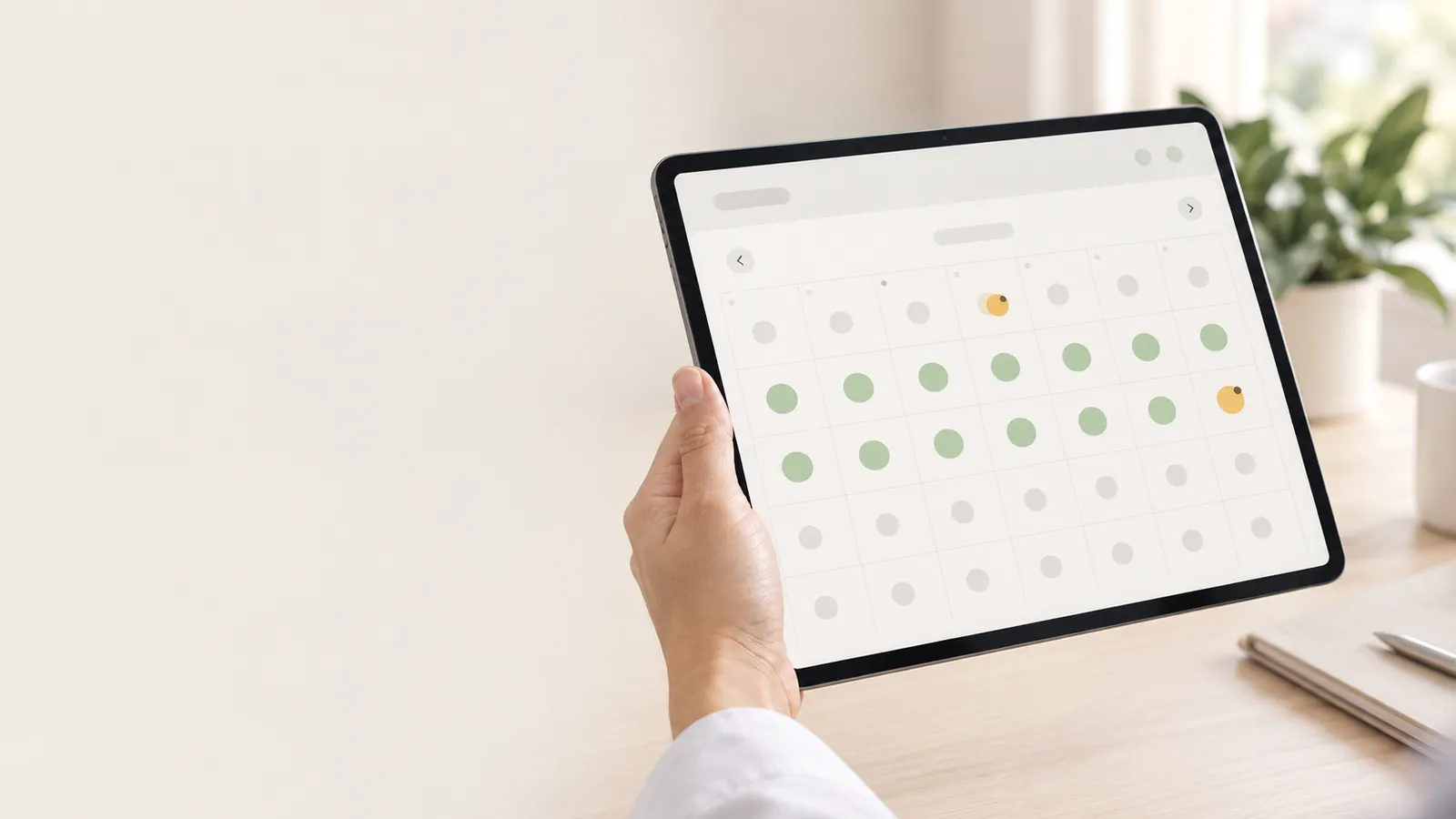
Recorded reading days determine the S9110 monitoring modifier.
Every reading day counted automatically.
Medicare RPM
Staff minutes, plus transmission days
TMHP S9110
Days with data received and reviewed

Authorization requests and approved service dates matter.
Generated, routed and e-signed in bulk.
Medicare RPM
No prior authorization
TMHP S9110
Required; follow payer submission rules
S9110 uses separate setup and monitoring modifiers.
Based on the TMHP S9110 fee schedule, billed monthly by reading days. Rates change — verify current amounts with TMHP.

S9110 exports with the modifier already applied.
CSV or EDI 837 exports for claim review.
Medicare RPM
CPT 99453 / 99454 / 99457 / 99458
TMHP S9110
S9110 setup and monitoring modifiers

Delivered by the agency, on the physician’s order.
Your nurses monitor your patients.
Medicare RPM
Physician practices and clinics
TMHP S9110
Home health agencies, on the treating physician’s order
Recorded reading days determine the S9110 monitoring modifier.
Medicare RPM
Staff minutes, plus transmission days
TMHP S9110
Days with data received and reviewed
Authorization requests and approved service dates matter.
Medicare RPM
No prior authorization
TMHP S9110
Required; follow payer submission rules
S9110 uses separate setup and monitoring modifiers.
Based on the TMHP S9110 fee schedule, billed monthly by reading days. Rates change — verify current amounts with TMHP.
S9110 exports with the modifier already applied.
Medicare RPM
CPT 99453 / 99454 / 99457 / 99458
TMHP S9110
S9110 setup and monitoring modifiers
Delivered by the agency, on the physician’s order.
Medicare RPM
Physician practices and clinics
TMHP S9110
Home health agencies, on the treating physician’s order
Medicare RPM and Texas Medicaid RPM use different billing requirements. RemoteCares tracks recorded reading days and identifies the matching S9110 modifier for review.
From the physician's order to a submitted claim
Follow the workflow from the physician’s order through authorization, monitoring, and claim preparation.
01Physician’s Order
The physician orders monitoring
Texas Medicaid home telemonitoring starts with an order from the treating physician.
02Simplify authorizations
Prior authorization is generated, routed and signed
RemoteCares builds the request and routes it for TMHP, Molina or Superior. Providers sign in bulk, and every signed version stays on file.
03Receive readings automatically
Readings arrive from the patient’s devices
Cellular devices stream readings straight into the chart — nothing for the patient to enter or upload.
04Track reading days
Reading days are counted automatically
RemoteCares counts distinct reading days and identifies the matching S9110 modifier for your team to review.
05Organize patient follow-up
Out-of-range readings are flagged for follow-up
Thresholds classify each reading and route the urgent ones to the right care manager. The call is logged against the record.
06Prepare claims and supporting records
S9110 claims are prepared with supporting records
Prepare monthly S9110 exports with the matching modifier and supporting documentation for your billing team to review.
Care programs and data security
Manage care programs on a shared patient record, with tools for billing, secure access, and data exchange.
TMHP Remote Patient Monitoring
Manage Texas Medicaid home telemonitoring, reading-day counts, and S9110 claim preparation.
Also supported
Every program runs on the same patient record.
- APCMAdvanced Primary Care ManagementGuide
- RPMRemote Patient Monitoring (Medicare)
- CCMChronic Care Management
- RTMRemote Therapeutic Monitoring
- BHIBehavioral Health Integration
- AWVAnnual Wellness Visit
HIPAA-secure
PHI is handled under HIPAA safeguards, with Business Associate Agreements available to covered entities.
- Encrypted in transit and at rest
- Access is role-based
- Activity is audit-logged
FHIR · HL7 · C-CDA
Standards-based interoperability, so readings and documentation move into the systems you already run.
Claims and supporting records
Prepare S9110 exports in CSV or EDI 837 format and keep supporting records available for review.
Revenue calculator
Estimate S9110 billing for your agency
Explore an S9110 billing estimate based on patient volume and recorded reading days.
Estimate only — not a guarantee of reimbursement.
How this is built
- 100 patients × $200.48 (U8)
- $20,048 / mo
- × 12 months
- $240,576
- + $50 U1 setup × 100 patients, once
- $5,000
- Year one total
- $245,576
Estimated year one
$245,576
12 months of recurring billing plus the one-time $50 U1 setup, counted once per patient — not monthly.
Per month
$20,048
Questions
Billing and authorization questions
Straight answers, including the ones about audits.
What is TMHP remote patient monitoring?
Texas Medicaid calls it home telemonitoring — "remote patient monitoring" is the Medicare and industry term for the same thing. Home health agencies deliver it on an order from the treating physician and bill Texas Medicaid for it. Eligibility is set by Texas Medicaid and tied to qualifying conditions and clinical criteria, confirmed by the ordering physician as part of the authorization.
What code is used, and how is it billed?
S9110-U1 identifies setup. Monthly monitoring uses U2–U4 or U7–U9 based on days when transmissions were received and reviewed in a rolling month. Staff minutes do not set the monitoring modifier.
How does prior authorization work?
S9110 requires authorization supported by an order from a physician, NP, CNS or PA. TMHP fee-for-service requests have a three-business-day submission window after services begin; managed care requirements must be checked with the patient’s plan. RemoteCares generates and routes the request for TMHP, Molina and Superior, and providers e-sign in bulk rather than one patient at a time. Every signed version is kept on file against the patient.
Do we need to buy new devices?
Patients are set up with connected devices, and readings flow back automatically as they are taken — nothing for the patient to submit or upload. That matters for the older and less tech-confident patients this program tends to serve.
Who monitors the readings?
Your agency’s nurses review readings and follow up with patients. RemoteCares receives device readings and uses configured thresholds to flag abnormal and critical results for review.
Is it HIPAA compliant?
The platform is built around HIPAA safeguards — encryption in transit and at rest, role-based access control and audit logging — and Business Associate Agreements are available to covered entities. We are happy to walk your compliance reviewer through the specifics on a demo.
What happens when TMHP audits this?
RemoteCares keeps authorization documents, reading-day records, and activity logs available to support your team’s response to a claim review.
- HIPAA
- HL7 / FHIR
- C-CDA
A 20-minute conversation
Bring your clinical and billing teams. Explore patient monitoring, follow-up, automatic eligibility checks, TMHP forms and claim submission using sample records.
See a sample workflow tailored to your agency needs.
If S9110 is not a fit for your caseload, we will say so on the call.